Packing Efficiently for a Multi-Country Train Journey
Traveling by train through multiple European countries offers a unique blend of scenic views, cultural immersion, and logistical simplicity. However, the experience can quickly become cumbersome if you are burdened with heavy luggage. Efficient packing for a multi-country train journey is not just about reducing weight; it is about strategic selection and organization. This article provides a methodology for packing light and smart, ensuring that your belongings serve you well across varied climates and settings without becoming a hindrance.
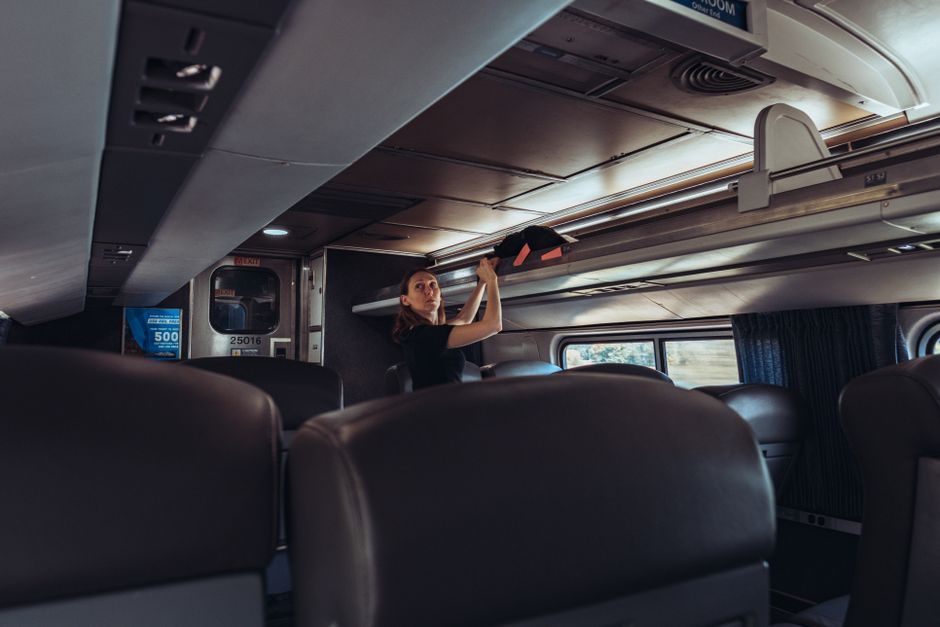
The key principle is to focus on versatility and adaptability. Unlike air travel with strict baggage allowances, trains allow more flexibility, but you still have to manage your luggage personally. You will navigate platforms, stairs, and narrow aisles, and you may need to store your bags on overhead racks or in designated areas. Therefore, every item you pack should earn its place by serving multiple purposes or being essential for your itinerary.
Choosing the Right Luggage
The foundation of efficient packing is the luggage itself. For train travel, a backpack or a rolling duffel bag with sturdy wheels and a comfortable shoulder strap is often recommended. A backpack distributes weight evenly on your back, leaving your hands free, which is essential for handling tickets, passports, and snacks. However, a rolling bag can be convenient on smooth surfaces, but it can be challenging on cobblestone streets or when climbing stairs. A hybrid option—a backpack with wheels and a retractable handle—offers flexibility. The size should be within carry-on dimensions (around 55x40x20 cm) to avoid checked baggage fees and to ensure it fits in overhead compartments or luggage racks. It is also wise to choose a bag with multiple compartments to keep items organized and easily accessible.
Versatile Clothing Strategy
Clothing is the bulk of your packing, and a strategic approach can reduce volume significantly. The goal is to pack items that can be mixed and matched to create multiple outfits while being appropriate for various weather conditions and cultural norms. A neutral color palette, such as blacks, grays, and earth tones, allows for easy coordination. Fabrics like merino wool, bamboo, and synthetic blends are excellent choices because they are lightweight, breathable, and quick-drying. They also resist odors, enabling you to wear them multiple times between washes.
A suggested capsule wardrobe for a one to two-week trip might include two to three pairs of pants (one pair of comfortable jeans, one pair of versatile chinos or trekking trousers, and possibly a pair of leggings or comfortable slacks), three to four tops (including a mix of long-sleeve and short-sleeve shirts), one or two layers (a lightweight fleece or sweater, and a compact rain jacket), and underwear and socks sufficient for the number of days, with a few extras for unexpected delays. Try to include one dressier outfit for evenings if you plan to visit fine dining or theaters. Shoes are among the heaviest items, so limit yourself to two pairs: a comfortable pair of walking shoes or sneakers and a pair of versatile shoes that can be dressed up, such as loafers or stylish flats.
Toiletries and Personal Care
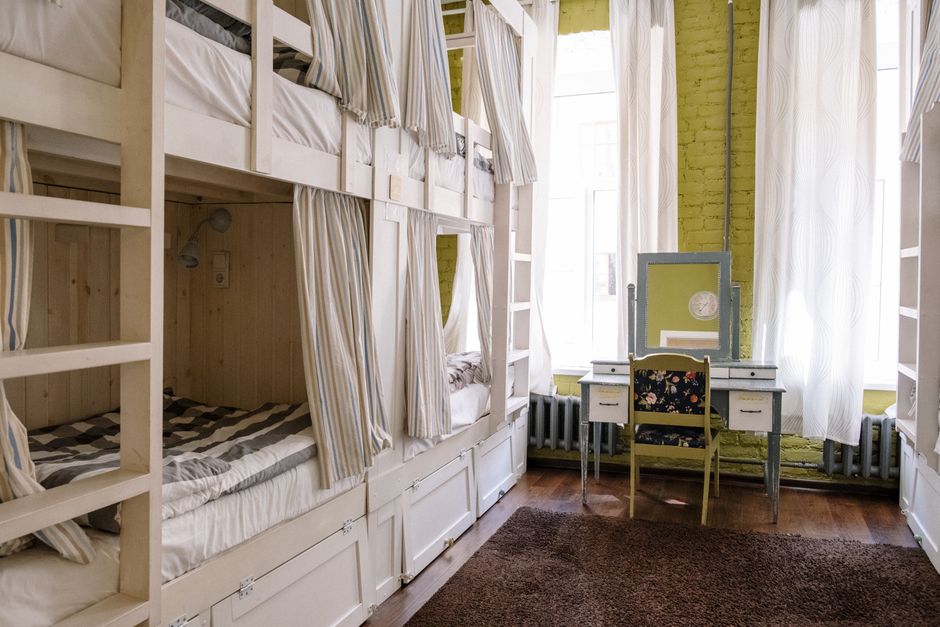
Toiletries are subject to liquid restrictions if you fly, but on trains you have more freedom. However, keeping them minimal saves space and weight. Opt for travel-sized containers and refill them with products you already use. Consider solid alternatives like shampoo bars, conditioner bars, and solid deodorant, which are eco-friendly and take up less space. A microfiber towel is lightweight, quick-drying, and compact, making it ideal for hostel stays or unexpected needs. For a multi-country trip, you may want a universal sink stopper for washing clothes in a pinch. A compact toiletry bag with hooks is convenient for hanging in small bathrooms. Remember to include any medications you need, along with a copy of your prescriptions, and pack them in your carry-on.
Electronics and Gadgets
Electronics are essential for navigation, communication, and entertainment. To avoid carrying multiple chargers and cables, invest in a universal adapter that works across European outlets, and a multi-port USB charger to charge several devices at once. A portable power bank is invaluable for long train rides when outlets might be limited. Your smartphone is your primary tool; keep it charged and download offline maps and translation apps before you go. A camera might be desirable, but many travelers find their phone sufficient. If you do carry a camera, ensure it is compact and protected. For reading and entertainment, an e-reader or tablet can replace multiple books and is lighter to carry.
Essential Documents and Money
Organize your documents in a secure, easily accessible place, such as a money belt or a neck pouch worn under your clothing. This includes your passport, train tickets, reservations, travel insurance details, and a copy of your itinerary. It is also wise to have digital backups on your phone or cloud storage. Keep both physical and digital copies in case of loss or theft. Regarding money, it is advisable to carry a mix of payment methods: some local currency for small purchases, a credit card with no foreign transaction fees, and a debit card for ATM withdrawals. Notify your bank of your travel plans to avoid card freezes.
Packing Techniques and Organization
How you pack can affect space utilization and accessibility. Rolling clothes instead of folding them saves space and reduces wrinkles. Use packing cubes or compression bags to further compress clothing and separate items into categories: tops, bottoms, underwear, and shoes. Place heavier items at the bottom of your backpack, near your lower back, to maintain balance. Keep your daily essentials—such as a light jacket, a water bottle, and a travel pillow—in outer pockets for easy access during the journey. A small daypack that can be folded into its own pouch is useful for excursions when you leave your main luggage at your accommodation.
Another technique is the “wear your heaviest” strategy. On travel days, wear your bulkiest clothing items and shoes to save space in your bag. This includes your heaviest jacket and a pair of sturdy boots. While this may be warm in summer, it frees up valuable space. Additionally, consider the season and your destinations’ climates. If you are traveling in transition seasons, pack layers that can be easily added or removed.
Final Thoughts
Efficient packing for a multi-country train journey is a balance between preparedness and mobility. By focusing on versatile clothing, minimizing toiletries, organizing electronics and documents, and using clever packing techniques, you can travel with ease and flexibility. Remember that the goal is to enhance your travel experience, not to carry your entire home. The ability to move freely and adapt to changing plans is part of the charm of train travel.
Ultimately, the best packing list is one that you consciously curate based on your specific itinerary and personal needs. Review your plan, consider the activities you have scheduled, and ask yourself if each item serves a purpose. This thoughtful approach not only lightens your load but also reduces stress and allows you to focus on the journey itself.